
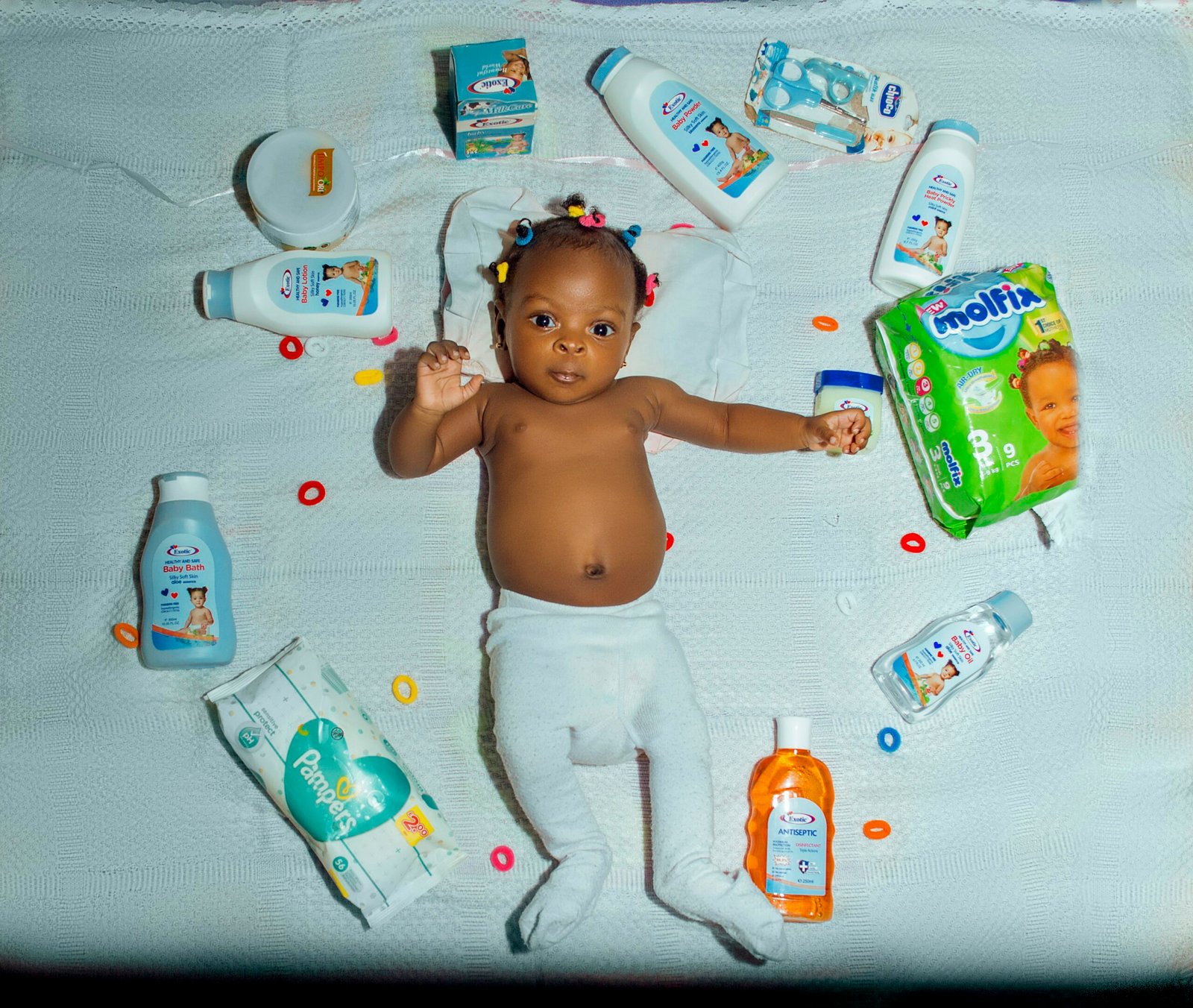
Introduction to Baby Products
Welcoming a newborn into the family is a momentous occasion, filled with joy and excitement. However, it also brings a set of challenges that new parents must navigate. One significant aspect that can greatly influence this transition is the selection of appropriate baby products. The right baby items can provide essential support, ensuring both the well-being of the infant and a smoother experience for caregivers.
When new parents prepare for their baby’s arrival, they are often inundated with an overwhelming number of choices in baby products. From strollers and cribs to diapers and bottles, the options available can be daunting. Selecting the best baby products is crucial, as these items not only fulfill basic needs but also contribute to the baby’s health, safety, and development. High-quality products can significantly reduce stress, allowing parents to focus on bonding with their new baby while fostering an environment that promotes growth and security.
The right baby products should prioritize safety, comfort, and functionality. For instance, a stable and well-designed crib can help ensure safe sleep, while an ergonomic baby carrier can provide parents the ease of mobility, allowing them to maintain their daily routines while keeping the baby close. Moreover, products that simplify tasks—like user-friendly diapering solutions or multifunctional gear—can save valuable time and effort during the chaotic early weeks of parenthood.
In summary, choosing the best baby products is an essential step in preparing for a new family member. The right items can create a nurturing environment that supports the physical and emotional needs of both the infant and the parents, ultimately easing the transition into parenthood.
Essential Safety Products for Your Baby
When bringing a new baby home, safety becomes the utmost priority for parents. A secure environment is critical in ensuring that infants can explore their surroundings without the risk of harm. One of the most significant tools for promoting safety is a baby monitor. These devices allow parents to keep an ear (or eye) on their little ones, providing peace of mind whether they are in another room or outside. Modern baby monitors often feature video capabilities and smartphone connectivity, which can be highly beneficial in tracking a baby’s activities.
Another crucial safety product is the safety gate. These gates are essential for maintaining boundaries within the home, preventing babies from accessing stairs or other hazardous areas. When selecting a safety gate, it is advisable to choose models that meet current safety standards, ensuring that they are robust enough to withstand pushing or pulling from curious toddlers. Adjustable gates with easy release mechanisms can enhance usability for parents and guardians while safeguarding babies.
Additionally, outlet covers are fundamental for childproofing a home. Babies are naturally drawn to electrical outlets, and installing outlet covers can significantly decrease the likelihood of electrical accidents. There are various types of outlet covers available, including sliding or plug-in styles. Choosing the appropriate type based on your home setup can ensure that outlets remain inaccessible to little hands.
Other safety products that new parents should consider include corner protectors for sharp furniture edges and cabinet locks to securely close potentially dangerous drawers or cabinets. Each of these items plays a pivotal role in creating a safe environment for infants, allowing parents to feel more secure as their child grows and begins to explore.
Must-Have Baby Gear for New Parents
Welcoming a new baby into the family is both an exciting and overwhelming experience. To help new parents navigate this journey, certain baby gear has become indispensable for making daily activities more manageable. Among these essentials are strollers, car seats, and baby carriers, each designed with specific functionalities that streamline outings with an infant.
Firstly, a high-quality stroller is crucial for parents who wish to transport their baby comfortably and safely. Modern strollers come equipped with various features such as adjustable handlebars, reclining seats, and ample storage space for diapers and baby essentials. The ease of maneuverability allows for seamless transitions from home to outdoor settings, adapting to different terrains and providing a comfortable ride for infants. Some models even offer compatibility with car seats, ensuring a smooth transition from car to stroller with minimal disruption for the baby.
Next, the importance of a reliable car seat cannot be overstated. Car seats are the foundation of baby safety while traveling. Different types—infant car seats, convertible models, and booster seats—cater to the baby’s growth stages, providing security and support. An appropriate car seat installation is integral, and many models offer features such as easy-to-follow instructions and a secure, adjustable harness system, making them user-friendly for parents concerned about safety during travel.
Additionally, baby carriers have gained immense popularity among new parents. These versatile tools allow for hands-free convenience while keeping the baby close. Available in various styles such as wraps, slings, and structured carriers, each option offers unique benefits. Aside from promoting bonding, baby carriers can facilitate breastfeeding and reduce fussiness during outings. Moreover, they allow caregivers to navigate crowded spaces easily, providing freedom of movement and mobility while ensuring the baby feels secure.
In summary, investing in must-have baby gear such as strollers, car seats, and baby carriers creates a smoother experience for new parents. Each item is designed to enhance safety, comfort, and convenience, thereby simplifying everyday life with a newborn.
Revolutionary Baby Feeding Products
In the realm of parenting, the right baby feeding products can significantly ease the challenges associated with nourishing an infant. For both breastfeeding and formula-feeding parents, numerous innovative solutions have emerged, providing practicality, safety, and convenience. Among the most essential tools are breast pumps, which allow mothers to express milk efficiently, thus offering flexibility for when they are away from their child. Modern electric breast pumps are designed for ease of use, featuring adjustable suction levels and quiet operation, allowing mothers to express milk discreetly.
When it comes to bottle feeding, the selection of bottles is pivotal. Many contemporary options are designed to mimic breastfeeding, which can be beneficial for transitioning between feeding methods. Look for bottles made from safe, BPA-free materials that are easy to assemble and clean. Anti-colic designs that reduce air intake can also be invaluable in minimizing discomfort for infants. Additionally, ensuring compatibility with various bottle nipples is essential for smoother feeding experiences.
Bottle warmers represent another revolutionary advancement in baby feeding. These devices provide a quick and evenly distributed heating option, ensuring formula or breast milk is served at an optimal temperature. Manufacturer safety features should be a top priority, with automatic shut-off mechanisms and temperature controls to prevent overheating. Lastly, practical items such as bibs are indispensable for minimizing messes during feeding times. Look for bibs made from waterproof and stain-resistant materials that can be easily wiped clean or machine washed, further simplifying the feeding process.
Overall, the integration of advanced features in baby feeding products not only prioritizes safety but also enhances the feeding journey for both parents and their little ones. By selecting high-quality, user-friendly products, parents can create a nurturing feeding environment that supports their child’s needs.
Diapers and Wipes: The Basics of Baby Hygiene
When it comes to baby hygiene, the choice of diapers and wipes plays a pivotal role in maintaining comfort and cleanliness for your little one. Parents today are presented with a multitude of options, primarily distinguishing between disposable and cloth diapers. Each type has its own set of benefits and considerations, making it essential to evaluate them based on various factors.
Disposable diapers are renowned for their convenience. They are easy to use, designed for one-time use, and often feature advanced absorbent materials that wick moisture away from the baby’s skin. This can significantly reduce the likelihood of diaper rash, a common concern among new parents. Additionally, disposable wipes complement these diapers well, providing a quick and efficient means to clean the baby’s delicate skin during diaper changes.
On the other hand, cloth diapers present an eco-friendlier alternative that is gaining traction amongst environmentally-conscious families. Available in various styles, they require washing and can be reused for future children or even sold. Many parents find that cloth diapers can be more comfortable for the baby, as they are typically made from natural fibers. However, the upkeep of cloth diapers requires a considerable time investment as they must be laundered regularly. Additionally, parents must consider the accessibility of suitable washing facilities.
Ultimately, the best choice between disposable and cloth diapers, as well as the selection of wipes, hinges on individual lifestyle, budget, and environmental responsibility. It is essential to weigh the comfort of your baby alongside the practicality and economic factors involved. For certain situations, such as travel or extended outings, disposable options may prove to be more efficient, while cloth could be more suitable for home use and overnight care. Choosing the right diapering system is fundamental to ensuring optimal hygiene and comfort for your baby.
Sleep Solutions: Cribs, Swaddles, and More
Creating a safe and comfortable sleep environment is a top priority for new parents. This section will explore essential baby sleep products including cribs, bassinets, and swaddles, alongside safety standards and tips for nurturing restful sleep.
When selecting a crib, it is crucial to choose one that meets current safety standards, such as those set by the Consumer Product Safety Commission (CPSC). Look for cribs that feature a firm mattress and slats spaced no more than 2 3/8 inches apart to prevent entrapment. Another option is a bassinet, which offers a cozy sleeping arrangement for newborns and can be conveniently placed near the parents’ bed during those early weeks.
Swaddles are another fundamental sleep essential that help babies feel secure and mimic the snugness of the womb. Various swaddling products are available, ranging from traditional receiving blankets to specialized swaddle suits designed for ease of use. Swaddling not only keeps babies warm but can also aid in soothing them to sleep by preventing the startle reflex, which often disrupts their rest.
Creating an optimal sleep environment requires careful attention to the nursery setting. Ensure the room is dark enough to promote melatonin production, yet well-ventilated for air circulation. Standard room temperatures between 68°F and 72°F (20°C to 22°C) are ideal, as extreme temperatures can disrupt an infant’s sleep cycles.
Additionally, removing any soft bedding, toys, or pillows from the crib can reduce the risk of Sudden Infant Death Syndrome (SIDS). Implementing a consistent bedtime routine, including gentle rocking or singing, can also help establish healthy sleep habits for your baby.
Playtime: Engaging Toys and Activities
Playtime plays a crucial role in a baby’s development, fostering not only entertainment but also essential skills that enhance cognitive and motor abilities. Engaging a baby with appropriate toys and activities can lay a strong foundation for learning during their formative years. The right toys serve as tools for exploration, encouraging creativity and problem-solving.
One notable category of toys for infants is sensory toys. These toys often include varied textures, colors, and sounds, which stimulate a baby’s senses. For example, fabric books with different materials for touch, or soft rattles that produce gentle sounds, can capture an infant’s attention and encourage tactile exploration. Furthermore, toys that feature contrasting colors can significantly stimulate visual development.
Another important category is stacking and sorting toys, which are beneficial for developing fine motor skills. Simple stacking rings or nesting cups can improve hand-eye coordination, as babies learn to grasp, stack, and sort the pieces. These activities not only aid physical development but also introduce concepts of size, order, and balance.
Additionally, active play mats and play gyms can enhance gross motor skills while providing a safe space for babies to engage in tummy time. These mats often come with dangling toys and mirrors, encouraging reaching and rolling, which ultimately supports muscle development and spatial awareness.
For slightly older infants, push toys are excellent choices that promote walking and balance. These toys often feature fun designs and sounds, making the experience enjoyable as babies transition from crawling to walking. When parents choose age-appropriate toys, they not only cater to their child’s developmental needs but also create opportunities for learning through play.
Comfort and Care: Best Baby Skincare Products
Ensuring the comfort and care of a newborn is a primary concern for new parents, and this includes the selection of suitable baby skincare products. A baby’s skin is delicate and often more sensitive than that of adults, making it essential to choose products that are specifically formulated for their needs. Gentle, hypoallergenic, and pediatrician-recommended options are vital considerations in this context.
When searching for the best baby skincare products, lotions, shampoos, and diaper rash creams should be the focal points. Specifically, moisturizers designed for babies can help keep their skin hydrated and prevent dryness, which is prevalent in infant skin. Look for lotions that are free from fragrances, parabens, and harsh chemicals, as these can irritate the skin. A fragrance-free formulation is often the best choice, as it allows parents to monitor any allergic reactions their child may experience.
Additionally, baby shampoos should also be gentle, tear-free, and safeguarding against irritation. Opt for natural ingredients—such as oat extract or chamomile—known for their soothing properties. The absence of sulfates in these shampoos is another critical factor, ensuring that they do not strip the natural oils from the baby’s scalp and hair.
Diaper rash creams represent a crucial part of maintaining hygiene and comfort in babies. The most effective creams typically contain zinc oxide or other protective barriers that help soothe irritated skin while providing a moisture barrier. When selecting a diaper rash cream, consider its thickness and application ease, as some thicker formulations offer longer-lasting protection against rashes. Finally, always keep in mind the baby’s skin type and any potential allergies when choosing skincare products.
Purchasing Tips and Budgeting for Baby Products
As new parents embark on their journey, understanding how to budget and prioritize purchases for baby products is essential. With the plethora of options available, it is crucial to make well-informed financial decisions that align with one’s resources. Budgeting begins with understanding the primary needs of a newborn, which typically include items such as cribs, diapers, clothing, and feeding essentials. Establishing a clear budget will prevent overspending and help new parents stay organized during this exciting but overwhelming time.
One effective strategy for managing expenses involves creating a list of must-have baby products based on immediate needs, rather than succumbing to the allure of all available items. Additionally, anticipating that some products will be needed shortly can encourage foresight in budgeting. Prioritizing essential items over non-essentials can streamline expenditures and ensure that funds are allocated appropriately.
Incorporating second-hand options is an excellent way to save money on baby products. Thrift stores, consignment shops, and online marketplaces often offer gently used items at significantly reduced prices. Parents can find strollers, clothes, and even toys that are still in great condition. Furthermore, it is advisable to carefully inspect these items for safety and quality before purchasing them. By opting for second-hand goods, parents can often find high-quality products while minimizing their spending.
Another practical approach is utilizing baby registries at local retailers or online platforms. These registries allow friends and family to contribute to necessary purchases, easing financial burdens. New parents can curate their desired products, making it easier for loved ones to choose gifts that align with their specific needs.
Ultimately, structuring purchases and being mindful of budgets can lead to a positive experience for new parents, while ensuring they remain financially responsible. By prioritizing essential baby products, exploring second-hand markets, and engaging with registries, families can navigate their new responsibilities with confidence and financial savvy.










Leave a Reply