
Google’s generative AI features are changing how people discover information online. In AI Overviews and related search experiences, users may receive synthesized explanations, follow-up suggestions, and links to supporting sources before they visit a traditional results page. This creates a broader definition of search performance: a page can be visible and influential even when it does not generate an immediate click.
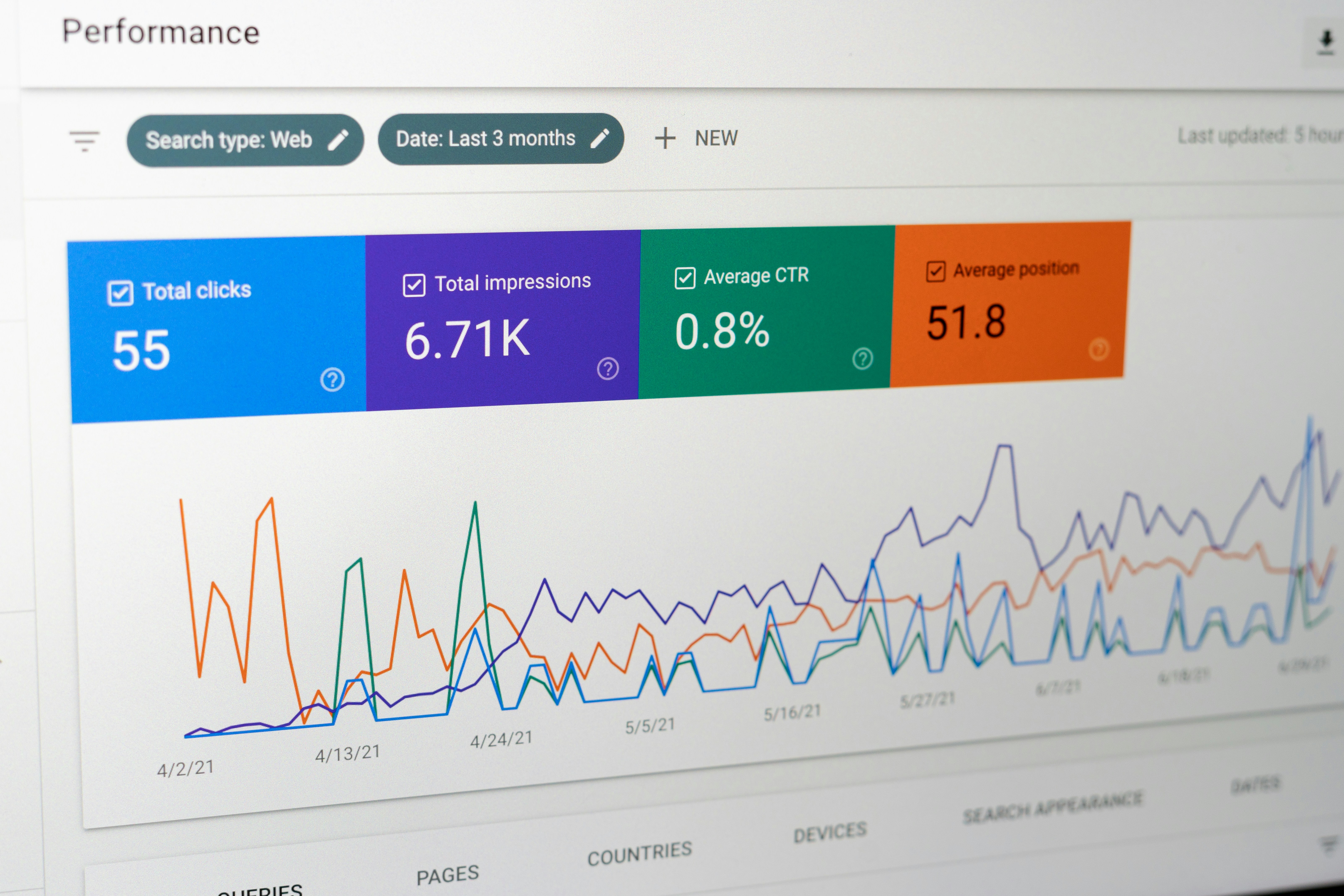
Traditional metrics such as impressions, clicks, and click-through rate remain essential, but they do not always explain how content performs in generative search. An impression indicates that a result was displayed, while a click shows that a user visited the associated page. The click-through rate compares those actions to assess how effectively a result encourages visits. Top queries add another layer by revealing the searches that associate a site with particular topics, needs, or stages of the decision-making process.
Generative AI appearances can extend beyond these familiar measurements. Content may be surfaced as a cited source within an AI-generated response, used to support an answer without receiving a direct visit, or encountered by a user who later searches for the organization, product, or topic independently. These indirect effects can influence awareness, trust, branded searches, and eventual conversions. Accordingly, a decline in clicks does not automatically mean that content has lost relevance, just as a strong impression count does not prove that it is shaping user decisions.
A useful analysis should therefore examine several connected signals. Visibility trends show whether content is appearing consistently across conventional and generative results. Query analysis clarifies user intent and indicates whether pages address informational, comparative, or transactional needs. Comparing awareness with traffic generation helps distinguish content that builds recognition from content that reliably produces visits. Finally, identifying gaps between user questions and surfaced content can reveal opportunities to improve relevance, structure, evidence, and topical coverage. This broader approach provides a more realistic view of how search visibility contributes to user journeys.
A practical review begins by ranking the queries associated with generative AI visibility according to impressions, clicks, or both. Impressions show how often a page, brand, or cited source was presented for a query, making them a useful indicator of exposure and potential awareness. Clicks show how often users proceeded to the website or destination. Because an impression does not require a visit, the two measures should not be interpreted as interchangeable. A query with many impressions but few clicks may indicate weak alignment between the displayed result and the user’s intent, an answer that satisfies the user without a visit, or strong brand awareness without sufficient motivation to click.
Click-through rate (CTR), calculated from clicks divided by impressions, adds context to the raw totals. Where available, query position can clarify whether a low CTR reflects limited prominence or a less compelling result despite strong placement. Reviewing changes over time is equally important: rising impressions may show expanding recognition, while rising clicks can indicate improving relevance or presentation. Separate branded searches from non-branded searches to distinguish existing demand from discovery. For example, searches for “the best home running machine” and “best treadmill machine” may represent related product research, whereas “AI ad creative,” “objectives of pay commission,” and “border collection day” may reflect distinct informational needs. Grouping similar phrases prevents fragmented data from obscuring a meaningful topic-level trend.
Interpretation should remain cautious when volumes are small. A query with zero clicks or one impression may reflect an early-stage appearance, a low-volume topic, or incomplete reporting rather than definitive underperformance. Compare such terms with related queries and examine their movement across multiple reporting periods before making decisions. The strongest assessment combines reach, engagement, position, intent, and trend data. This approach helps determine whether generative AI exposure is creating useful demand, building awareness that may convert later, or revealing a need to improve the page’s relevance to the questions users are asking.
Query intent describes the information, decision, or action a person expects from a search. Content is more relevant when it addresses that underlying need rather than repeating the wording of the query. Begin by identifying whether the user wants an explanation, comparison, transaction, local service detail, or practical instructions. Then match the page’s structure, evidence, and level of detail to that purpose. This alignment helps generative search systems select material that can be accurately summarized for users.
Product-oriented searches such as “best home running machine” and “best treadmill machine” usually combine research and buying intent. A useful page should compare suitable models and explain key features, including motor performance, belt size, cushioning, folding design, connectivity, warranty, and noise. It should also discuss price ranges, safety considerations, maintenance, available space, user weight, running experience, and intended training style. Clear recommendations for different needs are more valuable than an unsupported list of products because they help readers understand why one option suits a particular household.
“AI ad creative” can signal informational and practical intent. Readers may be seeking a definition, examples of effective advertisements, recommended tools, or a process for developing and testing campaign assets. Address these possibilities with concise explanations, sample applications, workflow guidance, and responsible advice about brand consistency, audience targeting, copyright, disclosure, and performance measurement. For “objectives of pay commission,” first clarify what “pay commission” means in context, since it may refer to a public-sector salary review body, a compensation policy, or a commission-based pay arrangement. The content should then serve the relevant educational or business purpose.
Local queries such as “border collection day” require regional context because terminology, collection schedules, and service providers can vary. State the relevant authority or location, provide the exact date where possible, identify exceptions such as holidays, and explain how residents can verify changes. To assess completeness, ask whether the page answers the main question directly, anticipates important follow-up concerns, and separates facts from opinion. Descriptive headings, concise factual language, current evidence, official references, and transparent update dates make information easier for both readers and AI systems to interpret and trust.
Performance findings become useful when they are converted into a consistent set of optimization priorities. Begin by identifying queries that generate meaningful impressions but few clicks. These terms indicate that a page is being considered for visibility, yet its presentation may not persuade users to visit. Improve title tags and descriptions so they reflect the query clearly, communicate a specific benefit, and set accurate expectations. The opening answer should address the main question directly, using language that matches the searcher’s likely intent.
Pages that receive early visibility but limited traffic deserve focused expansion rather than immediate replacement. Strengthen them with clear definitions, comparison tables, concise answer sections, original evidence, and recently verified facts. Add relevant internal links to supporting pages and connect those pages back to the central resource. This structure helps users explore a topic while giving search systems clearer signals about the breadth and purpose of the content.
Develop dedicated content clusters for distinct areas of demand, including treadmill and home fitness searches, AI advertising concepts, commission objectives, and location-sensitive collection information. Each cluster should contain a useful primary page and supporting articles that address related questions, examples, and decision stages. Avoid combining unrelated intents on one page, since excessive scope can weaken relevance and make the user experience less clear. Location-dependent information should also identify applicable areas, dates, availability, and verification requirements.
Use a repeatable measurement cycle to assess whether these changes work. Establish a baseline, record impressions and clicks by query, and monitor appearances in generative AI experiences wherever reporting is available. Compare results across consistent time periods, allowing sufficient time for indexing and behavioral changes. Review trends instead of reacting to isolated zero-or-one events, which may reflect normal volatility or limited data. Revise content, internal linking, and page presentation according to recurring patterns.
Set realistic objectives around qualified visibility, useful engagement, and sustained relevance. Clicks remain valuable, but they should be evaluated alongside query fit, engaged visits, and evidence that the page answers the user’s need effectively.




Leave a Reply