
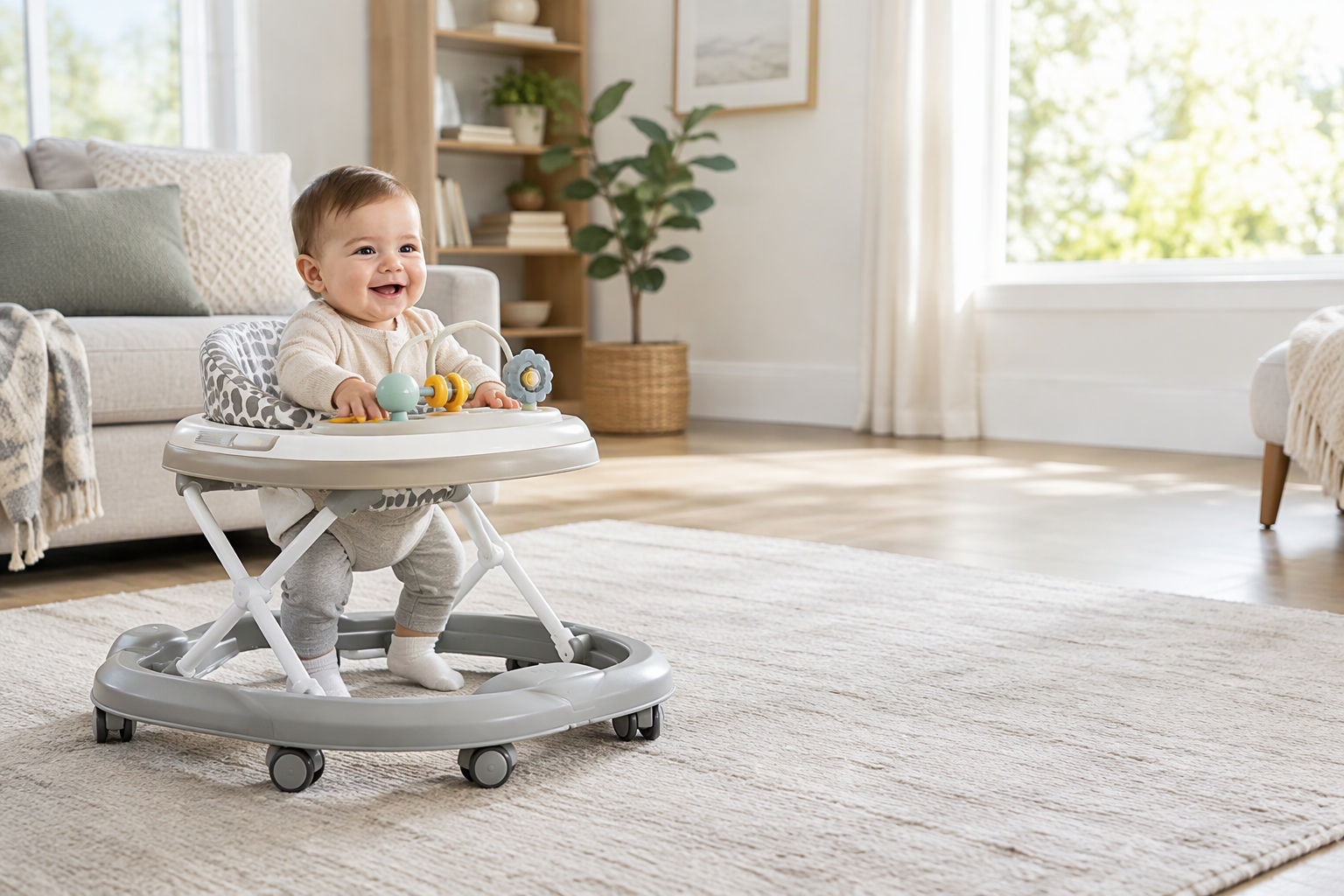
Asking what is the best stroller sounds simple, but the right answer depends on your child’s age, your daily travel, your home, your budget, and the amount of storage you have. A stroller that is perfect for a city apartment may be frustrating for a family that walks on uneven paths. A lightweight travel stroller may be convenient on flights but too small for long everyday outings.
Quick answer
The best stroller is safe, comfortable, easy to steer, suitable for your child’s current stage, and realistic for the places you go. For many families, a full-size stroller with a reclining seat, adjustable harness, sun canopy, under-seat storage, and reliable brakes is the most versatile choice. Families who travel often may prefer a compact travel stroller, while active parents may need a jogging stroller designed for appropriate terrain.
What makes a stroller “best”?
A good stroller should solve a real daily problem. It should fit through your doors, into your vehicle, and into your storage space. It should be easy to fold without trapping fingers, stable when parked, comfortable for the child, and manageable for the person pushing it.
Look beyond appearance. Smooth steering, useful recline positions, wheel quality, harness adjustment, brake design, and cleaning access usually matter more than decorative details.
Best stroller types
Full-size stroller
A full-size stroller usually offers a roomy seat, strong suspension, a large canopy, adjustable recline, and useful storage. It is a good all-rounder for daily walks, shopping, and longer outings. The trade-off is greater size and weight.
Lightweight stroller
Lightweight models are easier to lift, carry, and store. They work well for older babies and toddlers who can sit upright, but some have smaller wheels, less padding, and limited recline.
Travel stroller
A travel stroller folds compactly and is designed for airports, hotels, and public transport. Check the folded dimensions carefully because airline policies differ and a stroller that looks compact may still need to be checked.
Jogging stroller
A jogging stroller typically has larger wheels, a fixed or lockable front wheel, and stronger suspension. It should be used only according to the manufacturer’s guidance and not for running with a baby who is too young to control the head and neck.
Double stroller
A double stroller can carry two children but may be wider, heavier, and harder to maneuver. Compare doorways, lift access, car storage, and the weight limits of both seats.
How to choose the best stroller for your lifestyle
Start by listing your most common journeys. If you walk on smooth sidewalks, smaller wheels may be acceptable. If you use gravel paths, cobblestones, or uneven roads, prioritize larger wheels and suspension. If you use stairs, consider the stroller’s weight because you may need to carry it.
Parents who drive frequently should measure the vehicle’s trunk opening, not just the trunk volume. Parents who use public transport may value a quick fold and a standing fold position more than a large shopping basket.
Features worth prioritizing
- A five-point harness that adjusts securely.
- A deep, supportive seat with useful recline positions.
- A canopy that provides shade without blocking visibility.
- Brakes that engage clearly and hold on a slope.
- A handle height that is comfortable for the main user.
- Wheels that suit your local roads and floors.
- A basket that is accessible without disturbing the child.
- Washable or wipeable fabrics.
- A frame that locks securely when open and folded.
What should you avoid?
Avoid a stroller that feels unstable, has a weak brake, twists when pushed, or requires excessive force to fold. Be cautious with tiny wheels if you regularly travel on rough surfaces. Avoid overloading the handle with heavy bags because this can affect balance.
Do not use accessories that are not approved for the stroller. Aftermarket boards, cushions, car-seat adapters, and organizers can change the center of gravity or interfere with the harness.
Comfort for the child
Check the seat width, depth, padding, recline, footrest, and ventilation. A young baby may need a near-flat recline or a compatible carrycot, while an older toddler may need more upright support and legroom.
Look at the harness. It should be secure but adjustable enough for layers of clothing. The buckle should resist accidental opening but remain manageable for the caregiver.
Comfort for the parent
Push the stroller with one hand and turn it in a small space. Check whether the handle is comfortable and whether the brake is easy to reach. Lift the folded stroller if you may need to carry it regularly.
Final verdict
For most families, the best stroller is a dependable full-size model that fits the child, the car, the home, and the daily route. A travel stroller is better when compact storage and transport matter most. A jogging stroller is best only for families who need its specialized wheels and suspension.
Buy for your routine, not for a feature list. The stroller you use comfortably every day is better than an impressive model that is too large, too heavy, or difficult to fold.
Parenting note: Always follow the stroller manual, use the harness, engage the brake when stopped, and keep the child supervised.

Leave a Reply