
Babies and toddlers rely on adults to create an environment that protects their health, supports development, and makes everyday routines manageable. The most useful products address core needs such as safety, feeding, sleep, hygiene, movement, comfort, and early learning. These needs are interconnected: a safe sleep space promotes rest, suitable feeding equipment supports healthy nourishment, and comfortable clothing or carriers can make movement and caregiving easier. Choosing items according to these practical purposes helps families build a thoughtful collection rather than accumulate unnecessary belongings.
Parents do not need to purchase every product marketed to families. Advertising often presents convenience items as essential, even when they provide limited value or quickly become unsuitable. A genuinely useful baby product should solve a recurring daily problem, match the child’s age and abilities, be simple to clean, and withstand regular use. Safety should remain the first consideration, including secure construction, appropriate materials, reliable fastenings, and compliance with relevant safety guidance. Products should also be easy for caregivers to use correctly, because complicated equipment can create avoidable risks.
Children’s needs change quickly during the first few years. A newborn requires close support, a clear and secure sleep area, and equipment designed for limited head and body control. As a baby begins rolling, sitting, crawling, and pulling up, hazards change and products must be reassessed. Items that were suitable during the early months may become unsafe once a child can reach, climb, or move independently. Toddlers, meanwhile, benefit from products that encourage safe exploration, growing independence, and active movement while still providing appropriate supervision.
This distinction between essentials and optional conveniences provides a useful framework for selecting baby products. Essentials support basic care and safety on a regular basis, while optional items may save time or add comfort without being necessary. Families can begin with a small, dependable set of age-appropriate products and add items when a clear need appears. This approach controls spending, reduces clutter, and keeps attention focused on products that genuinely contribute to a child’s well-being and a smoother caregiving routine.
A safe sleep environment begins with an approved, properly fitted sleep space. Newborns and infants should sleep in a crib, bassinet, portable crib, or other product designed and approved for infant sleep. The space should be sturdy, stable, and assembled according to the manufacturer’s instructions. Check regularly for loose hardware, damaged parts, recalls, or gaps that could allow a baby to become trapped. Room-sharing without bed-sharing is generally recommended, particularly during the early months.
Choose a firm, flat mattress made for the specific crib, bassinet, or portable sleep product. The mattress should fit snugly, with no noticeable space between its edges and the sleep surface. Use only a fitted sheet designed for that mattress and intended for the product. Additional mattress pads, toppers, positioners, or improvised padding can make the surface less firm and may increase the risk of suffocation. A fitted sheet should remain securely in place and be replaced if it becomes loose, torn, or stretched.
The sleep area should remain completely clear. Loose blankets, pillows, stuffed toys, crib bumpers, wedges, and other soft objects can cover an infant’s face or create suffocation and entrapment hazards. Keep these items outside the crib, bassinet, or other approved sleep space. Babies should also be placed on their backs for every sleep, unless a healthcare professional provides different medical guidance.
Wearable blankets and sleep sacks can provide warmth without requiring loose bedding. Select a properly sized product that allows free movement and does not cover the baby’s head or face. Avoid excessive layers and signs of overheating, such as sweating, flushed skin, or a hot chest; dress the baby appropriately for the room temperature rather than relying on heavy insulation.
Baby monitors may help caregivers check on an infant, but they are optional tools and never replace safe sleep practices or direct supervision. Before purchasing any sleep product or accessory, review current safety standards, recall information, and the manufacturer’s instructions. Guidance from a pediatric healthcare professional can also help families choose products suited to the baby’s age, size, and developmental stage.
Feeding needs change considerably during a baby’s first year, so products should match the child’s feeding method and developmental stage. Breastfed babies may need only a small selection of bottles for expressed milk, while formula-fed babies generally require several bottles, spare nipples, and a reliable method for preparing and storing feeds. Choose nipples with a flow rate suited to the baby’s age and feeding ability; a flow that is too fast can cause coughing or gulping, while one that is too slow may lead to frustration. Bottle brushes with narrow, flexible heads help clean seams and hard-to-reach areas. Sterilizing equipment may be useful, particularly for young infants or when recommended by a healthcare professional, but cleaning instructions should always be followed carefully.
Bibs and absorbent burp cloths help protect clothing and bedding during feeds and should be washed frequently. Expressed milk, prepared formula, and other foods should be kept in clean, clearly labeled containers and stored according to current health guidance. Avoid reusing disposable components or keeping feeds longer than recommended. Before every use, inspect bottles, nipples, valves, and storage containers for cracks, clouding, tears, loose parts, or other damage. Worn items can harbor bacteria or create a choking risk and should be replaced promptly.
When a baby begins complementary foods, a stable high chair with a secure, properly adjusted harness provides an appropriate eating position. Soft-tipped spoons, small open cups or trainer cups, washable mats, and shallow, appropriately sized bowls can make early meals easier to manage. Introduce textures gradually in line with the child’s development, offering suitable portions and observing how the baby handles each food. Caregivers should discuss potential allergens with a healthcare professional when necessary, introduce foods thoughtfully, and watch for reactions. Meals require continuous adult supervision: babies should remain upright, and foods that are hard, round, sticky, or cut into unsafe shapes should be avoided because they may cause choking. Feeding equipment also deserves regular cleaning and inspection as the child’s abilities and dietary needs develop.
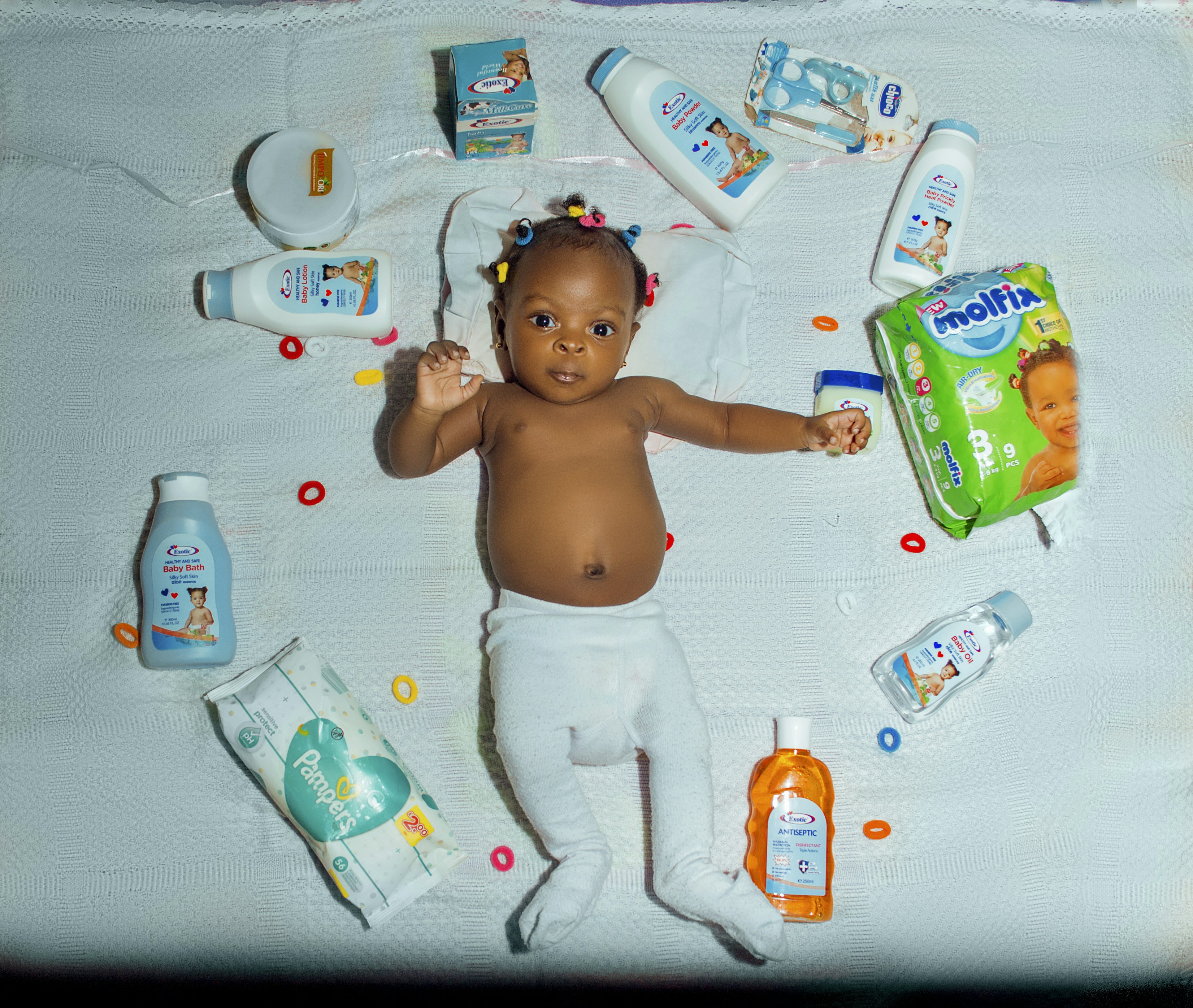
Diapering supplies should make routine care clean, comfortable, and predictable. Choose diapers in the correct size, checking the fit around the waist and thighs to reduce leaks without causing pressure or rubbing. Keep gentle, fragrance-free wipes available, or use reusable cloths with clean water when appropriate. A changing pad provides a defined, cushioned surface, while a protective barrier cream can help reduce irritation and shield delicate skin from moisture. Disposable bags are useful for containing used diapers and wipes, particularly when a waste bin is not nearby. A secure diaper disposal system with a firmly closing lid can help control odors and keep waste inaccessible.
The changing area must be clean, stable, and positioned away from edges, cords, and other hazards. Never leave a baby unattended on a changing table, even for a moment. Infants can roll unexpectedly before caregivers anticipate that movement, so keep one hand on the child when reaching for supplies and prepare everything in advance. Store diapers, creams, wipes, and bags within adult reach but safely out of the child’s reach. Products with harsh fragrances, dyes, or unnecessary irritants are best avoided where possible, especially for babies with sensitive skin.
Bathing essentials include a small infant tub with a stable base, a mild fragrance-free cleanser, soft towels, and gentle washcloths. Test the water carefully with a reliable thermometer or the inside of the wrist before placing the baby in the tub; it should feel warm rather than hot. Stay within arm’s reach throughout bathing, and never rely on bath seats or supports as substitutes for supervision. Everyday grooming can be managed with a baby nail file or rounded-tip clippers, a soft brush, and a digital thermometer for checking temperature when illness is suspected. Keep all hygiene tools clean, dry, and stored securely after use.
Practical clothing helps keep a baby comfortable while making everyday care easier. Bodysuits with snap fastenings, soft sleepers, socks, and weather-appropriate hats are useful basics. Choose garments with wide openings or easy-access closures for quick diaper changes, and ensure snaps are firmly secured. In warm conditions, lightweight layers can help prevent overheating; in cooler weather, several breathable layers are generally more practical than one heavy garment. A hat may be helpful outdoors in cold weather, while indoor headwear should be used cautiously because babies can overheat.
Look for breathable, soft fabrics such as cotton that do not irritate delicate skin. Clothing should allow comfortable movement around the arms, legs, and hips without being tight. At the same time, avoid oversized garments with loose fabric, long ties, or trailing cords, which can create entanglement or suffocation hazards. Select sizes according to the child’s current measurements rather than buying excessively large items for future use. Wash new clothing, bedding, and fabric comfort items before use with a gentle, fragrance-free detergent when possible.
Inspect every garment regularly, particularly after washing. Loose buttons, decorative pieces, broken snaps, beads, ribbons, and threads may become choking hazards and should be removed or repaired promptly. Avoid clothing with drawstrings around the neck or hood, and check that fastenings remain secure. Replace items that have stretched, torn, or developed sharp edges.
Pacifiers may soothe some babies, but they should be selected and used according to current safety guidance. Inspect them frequently for cracks, discoloration, or separation, and replace damaged products. Never enlarge or modify a pacifier, dip it in sweet substances, or attach it to clothing with a cord, ribbon, or necklace. If a clip is used, follow the manufacturer’s instructions and keep it away from the sleeping environment.
Age-appropriate blankets can provide warmth during supervised activities, but loose bedding, pillows, quilts, and soft toys should not be placed in an infant’s sleep space. A firm, flat sleep surface with a fitted sheet is the safer choice. Wearable blankets or sleep sacks may offer warmth without loose material, provided they fit correctly and are suitable for the baby’s age and size.
Travel and childproofing equipment helps create safer surroundings as babies move between the home, vehicle, and public spaces. These products reduce common risks, but they work best when selected carefully, installed correctly, and used consistently. They should support attentive caregiving rather than create a false sense of security.
A properly installed rear-facing car seat is essential for every infant and young child travelling by car. Choose a seat that matches the child’s current age, weight, height, and developmental needs, then keep it rear-facing for as long as the manufacturer permits. Installation should follow both the vehicle owner’s manual and the car seat instructions, since anchor points, belt paths, recline settings, and fit requirements vary. Caregivers should check that the seat is secure and that harness straps lie flat, fit snugly, and are positioned according to the product guidance.
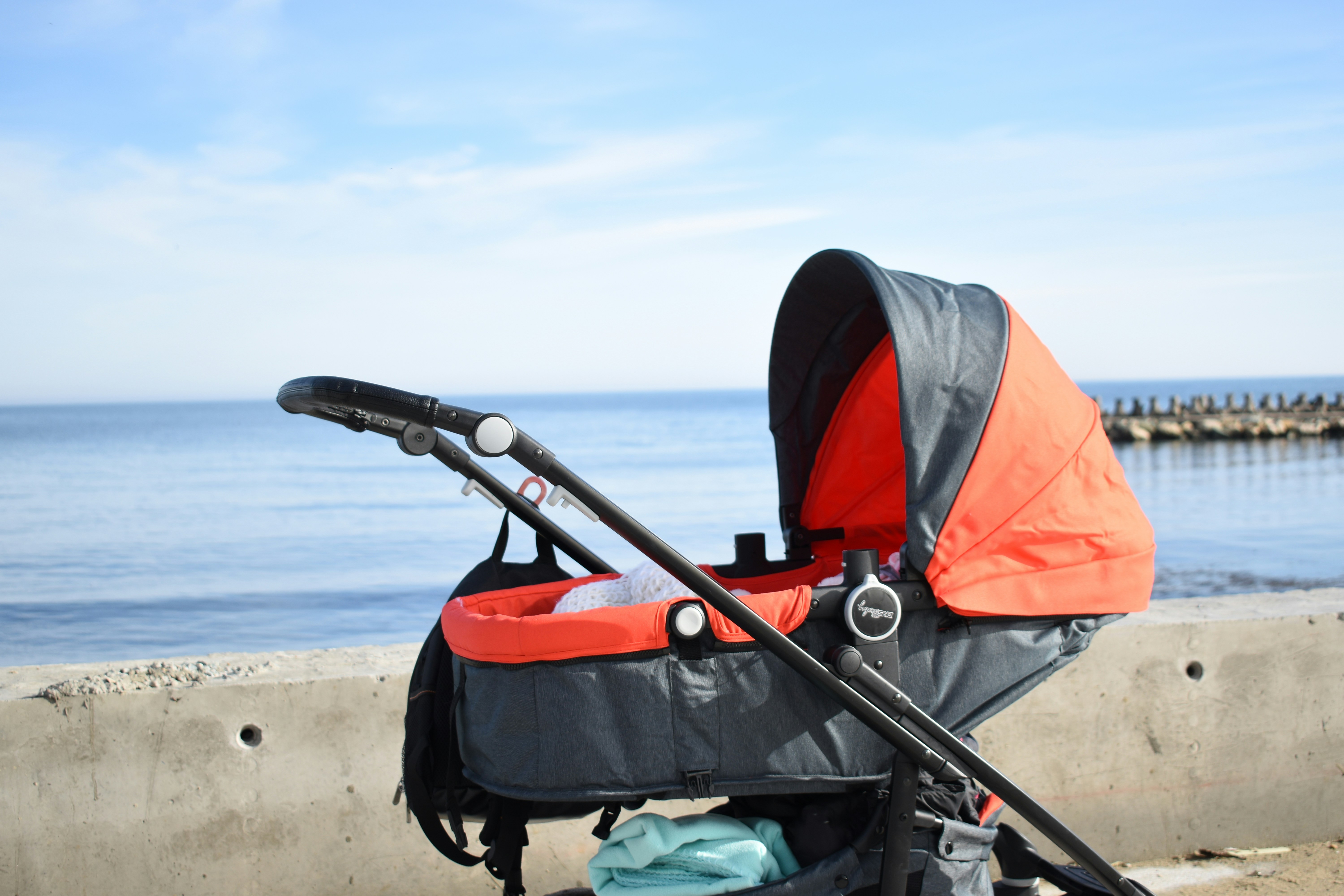
A sturdy stroller should include a secure, adjustable harness, reliable brakes, and a stable frame that resists tipping. Sun protection, such as a broad canopy, helps shield delicate skin, while an appropriate recline allows younger babies to lie safely and comfortably. Always use the harness, engage the brakes when stopped, and follow the stroller’s age, weight, and reclining recommendations. Avoid hanging heavy bags from the handles, as this can affect balance.
Inside the home, practical childproofing products can limit access to hazards. Cabinet and drawer latches help secure medicines, cleaning supplies, and sharp objects, while outlet covers reduce access to electrical sockets. Stair gates should be firmly installed and suited to the location; hardware-mounted gates are generally preferable at the top of stairs. Furniture anchors help prevent tip-overs, and window locks or guards can reduce fall risks. Smoke alarms and carbon monoxide alarms should be installed on every relevant level, tested regularly, and maintained with fresh batteries or reliable power sources.
Childproofing must evolve as children crawl, pull themselves up, walk, and learn to reach higher surfaces. Regularly reassess rooms, move newly accessible hazards, and repair or replace damaged safety devices. No product replaces active supervision, especially near roads, water, stairs, windows, or moving vehicles.
Thoughtfully selected toys and equipment can make everyday play an important part of early learning and development. Babies learn through looking, listening, touching, grasping, moving, and interacting with familiar adults. Simple products that match a child’s developmental stage can encourage sensory exploration without overwhelming them with unnecessary features or stimulation.
For younger babies, soft books, rattles, textured toys, and objects with contrasting colors can support visual attention, listening, reaching, and hand coordination. As children become more mobile, stacking cups, large blocks, and safe open-ended objects can encourage experimentation and problem-solving. A child may fill, sort, build, knock down, or combine these items in different ways, helping develop flexible thinking. Push-and-pull toys can also support movement and balance when a child is ready, while shared play with caregivers creates opportunities for communication, imitation, and social interaction.
Safety should guide every purchase. Check product labels for age recommendations and developmental guidance, and avoid toys with small detachable parts that could present a choking hazard. Materials should be durable enough to withstand frequent use, free from sharp edges, and easy to clean. Regularly inspect toys for cracks, loose components, peeling surfaces, or other damage, removing unsafe items promptly. Even suitable products require supervision, particularly when babies are mouthing objects or learning to move independently.
A firm, clean play mat can provide a comfortable space for supervised tummy time, rolling, reaching, and free movement. Keeping a selection of toys within view but not always within immediate reach may encourage babies to stretch, turn, and explore at their own pace. The surrounding floor area should be clear of cords, small objects, and unstable furniture.
Restrictive equipment, including walkers and seats that confine movement, should not replace active floor play. Although such products may appear convenient, heavy reliance on them can limit opportunities to practise natural movement and explore the environment. Open space, attentive supervision, and flexible materials generally provide richer support for physical, cognitive, language, and social development.
A practical baby health kit should support everyday care without attempting to replace professional treatment. It can include a reliable digital thermometer, a nasal aspirator, and saline drops when a pediatrician or pharmacist considers them suitable. Add infant nail clippers or scissors with rounded tips, prescribed or recommended medicines, and basic first-aid supplies such as sterile gauze, adhesive bandages, and disposable gloves.
Medicines should be given only according to specific guidance from a pediatrician or pharmacist. Parents should check the correct product, dose, timing, and storage instructions, particularly for young infants. Never measure medicine with an ordinary kitchen spoon, because spoon sizes vary and can result in an inaccurate dose. Use the measuring syringe, cup, or dropper supplied with the product, and keep medicines secured away from children.
Keep emergency contact numbers in a visible location and saved in the phones of all regular caregivers. The list may include emergency services, the child’s pediatrician, a poison information service, and nearby urgent-care facilities. It is also useful to maintain an accessible record of allergies, medical conditions, current medicines, vaccination details, and insurance information. Product instructions should remain available, especially for thermometers, aspirators, and medication devices.
Inspect the kit regularly rather than waiting for an emergency. Check equipment for recalls, cracks, loose or broken components, damaged packaging, mold, and battery leaks. Replace expired medicines, saline, dressings, and other supplies promptly, and clean reusable items according to their instructions. Store everything in a dry, organized container so caregivers can identify items quickly and confirm that they are safe to use.
Home health products provide limited support and cannot diagnose serious illness or substitute for medical care. Seek professional advice when symptoms are persistent, unusual, or concerning. Breathing difficulty, severe allergic reactions, uncontrolled bleeding, seizures, unresponsiveness, suspected poisoning, or other urgent symptoms require immediate emergency attention. When uncertain, contact a qualified healthcare professional rather than relying solely on information supplied with a product.
Choosing baby products is easiest when safety and necessity come before appearance or convenience. Begin with a practical priority list based on the child’s immediate needs: a safe sleep space, suitable clothing, feeding supplies, hygiene essentials, and properly fitted travel equipment. Purchase these core items before optional accessories, decorative products, or convenience gadgets. A clear list also helps families set a realistic budget and avoid buying items that will be used only briefly.
When comparing products, look for reputable safety certifications, current standards, clear instructions, and transparent manufacturer information. Durability matters because well-made products can withstand frequent washing, daily use, and adjustment as a child grows. Comfort and hygiene are equally important: choose breathable fabrics, supportive designs, washable covers, and surfaces that can be cleaned thoroughly. Long-term value may come from adaptability, repairable parts, or continued usefulness for future children, rather than from the lowest initial price.
Borrowing or buying secondhand can reduce costs, but only when the product’s history, cleanliness, condition, and recall status can be verified. Exercise particular caution with car seats, cribs, mattresses, and other safety-critical products. Avoid items with missing instructions, damaged frames, altered components, unknown crash history, or uncertain age. A lower price is not worthwhile if safety cannot be confirmed.
Regular maintenance protects both function and hygiene. Wash fabrics according to their care instructions, replace worn or broken parts with approved replacements, and check and tighten hardware periodically. Clean bottles, breast pump components, utensils, and other feeding equipment thoroughly after use, allowing pieces to dry completely. Register new products with the manufacturer whenever possible so recall notifications and safety updates reach you promptly.
The best baby products are not necessarily the most expensive or fashionable. They are the reliable items that make caregiving safer and easier while helping children sleep, eat, move, play, and grow comfortably. Thoughtful purchasing, careful upkeep, and sensible budgeting allow families to create a dependable environment without unnecessary expense.



Leave a Reply