
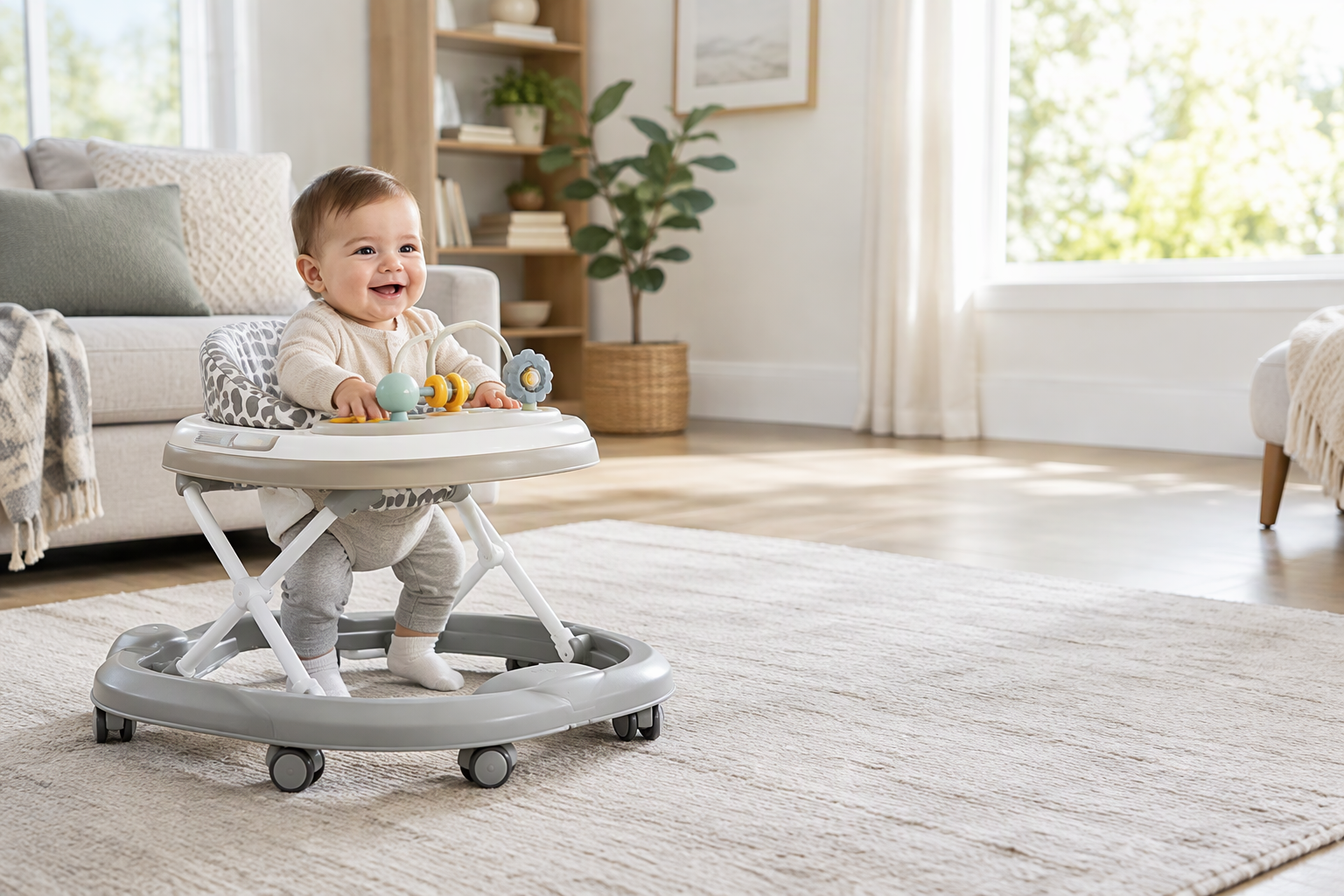
Learning how to choose a potty seat can make toilet training easier for both the child and the parent. The right seat should feel stable, fit the child’s body, be easy to clean, and match the type of toilet or potty routine you plan to use. A seat that slips, feels cold, pinches, or is difficult to empty can create unnecessary resistance.
Quick answer
Choose a potty seat with a stable base, a comfortable opening, a splash guard that suits your child, easy-clean surfaces, and dimensions that fit your bathroom or toilet. Decide whether you want a standalone floor potty, a toilet-top reducer seat, or a convertible model. Let your child’s readiness and comfort guide the timing.
1. Choose the right type
Standalone floor potty
A floor potty is low to the ground and can feel less intimidating. It is useful for early practice because the child’s feet can rest on the floor. The trade-off is cleaning and emptying the bowl.
Toilet-top potty seat
A toilet-top seat reduces the opening of a standard toilet so a small child can sit more securely. It saves space and helps the child become familiar with the adult toilet, but it may require a step stool so the feet are supported.
Convertible potty seat
A convertible model can work as a floor potty and later as a toilet reducer or step-stool system. Check every conversion carefully and make sure each position locks securely.
2. Prioritize stability
A potty seat should not rock, slide, or tip when the child sits down or turns. Look for a broad base, non-slip feet, and a design that remains stable on your bathroom floor. For toilet-top seats, check that the underside fits the toilet bowl and that the seat cannot shift sideways.
Test the seat without your child first. Apply gentle pressure from different directions. If it moves significantly, choose another design or adjust the placement.
3. Check comfort and size
The opening should support the child without pressing the thighs or allowing the child to slip through. A contoured seat can feel more secure, but very deep contours may be difficult to clean.
Compare the seat width, height, back support, and foot position. A child who feels balanced is more likely to relax. Never force a child to sit on a seat that feels frightening or uncomfortable.
4. Consider a splash guard
A splash guard can reduce mess, especially for children who stand while urinating. It should protect without pressing against the body or making it difficult to sit down. Removable splash guards are convenient for cleaning.
5. Think about cleaning
Potty training involves accidents, so smooth surfaces and removable bowls are valuable. Avoid deep seams, hidden channels, and absorbent padding that can trap moisture. Check whether the bowl lifts easily and whether the seat can be washed with the recommended cleaner.
Clean the potty after each use and wash hands afterward. Keep the potty away from food preparation areas and store cleaning products safely out of reach.
6. Use a footrest when appropriate
Children often feel more secure when their feet are supported. A step stool or integrated footrest can help a child climb onto a toilet-top seat, sit steadily, and stand safely. It can also support a comfortable posture during bowel movements.
Choose a stool with a wide, non-slip base. Teach your child to climb slowly and keep the stool away from slippery water.
7. Match the seat to your toilet
Toilet bowls vary in shape and size. Measure the bowl if the manufacturer provides dimensions. A seat that fits a round toilet may not sit securely on an elongated bowl.
Check whether the seat works with soft-close lids, raised seats, or unusual hinges. If it shifts during use, stop using it until the fit is corrected.
8. Make the routine calm
The most expensive potty seat will not help if the child feels pressured. Let your child see and touch the seat before using it. Read a book, demonstrate the routine, and celebrate attempts rather than demanding immediate success.
Use clothing that is easy to pull down. Keep wipes, toilet paper, clean underwear, and a small towel nearby so the child does not have to wait.
9. Know when to replace it
Replace a potty seat if it cracks, becomes unstable, develops sharp edges, loses non-slip feet, or cannot be cleaned properly. Do not use a seat with a broken hinge or missing anti-slip part.
Potty seat buying checklist
- Stable on your bathroom floor or toilet bowl.
- Comfortable opening and supportive shape.
- Easy-to-clean materials and removable parts.
- Appropriate splash guard.
- Safe foot support or compatible step stool.
- Correct dimensions for your toilet.
- No sharp edges, cracks, loose parts, or slippery base.
Final buying advice
When deciding how to choose a potty seat, make stability, comfort, fit, and cleaning the priorities. Choose the style that matches your bathroom and your child’s readiness. Toilet training works best as a calm learning process, not a race.
Parenting note: Every child develops differently. Ask a qualified healthcare professional for advice if toilet training is unusually painful, stressful, or accompanied by constipation concerns.

Leave a Reply