
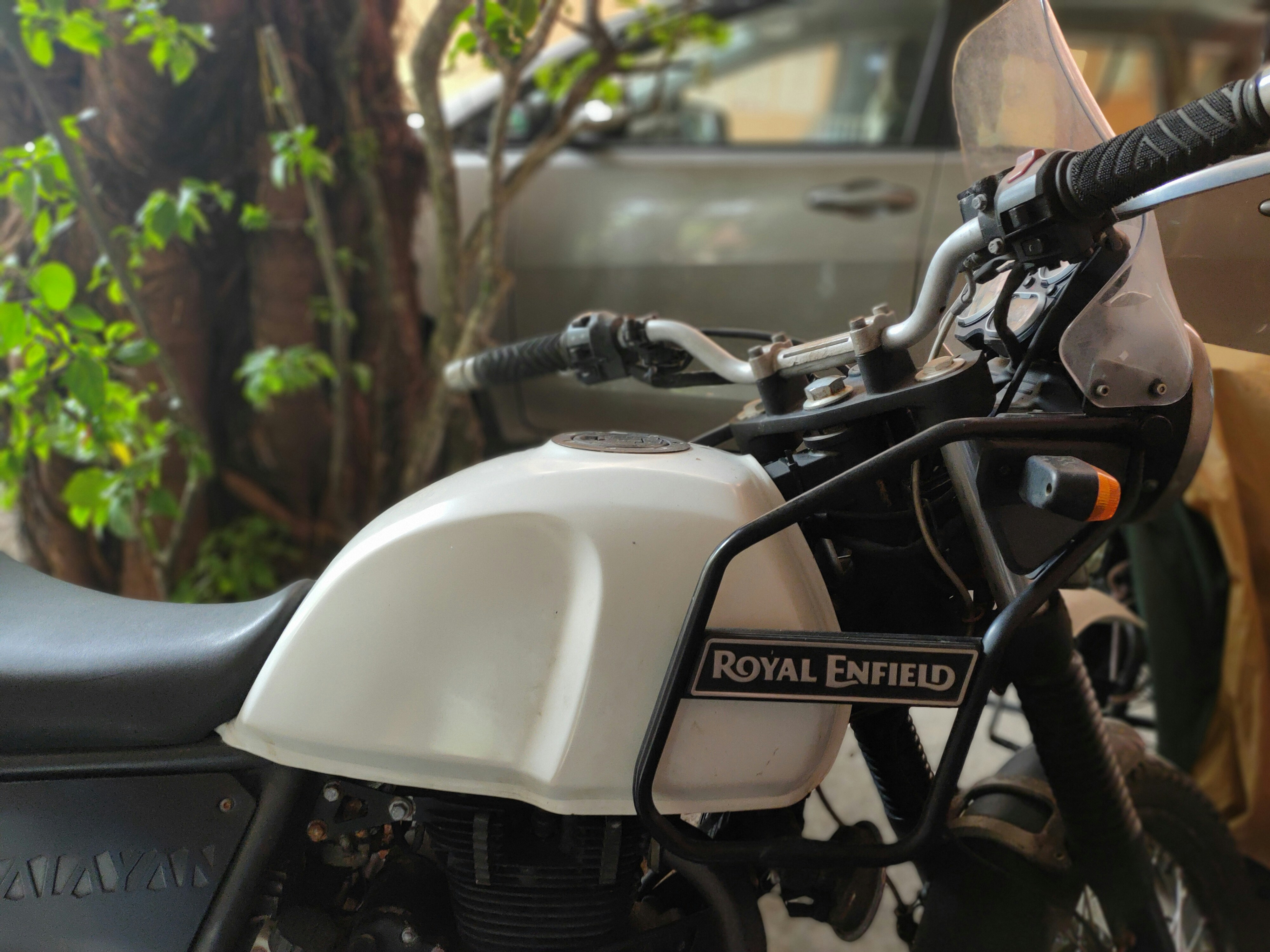
Introduction to Royal Enfield Classic 350
The Royal Enfield Classic 350 is an iconic motorcycle that holds a significant place in both the heart of enthusiasts and the legacy of the Royal Enfield brand. Originally launched in 2009, the Classic 350 quickly became a symbol of the brand’s dedication to craftsmanship, design, and the quintessential riding experience. It draws heavily from the Royal Enfield’s rich heritage, echoing the timeless classic styling that has been admired for decades. The Classic series, in particular, has helped revitalize interest in retro motorcycles, making them a popular choice in various markets, especially in India.
The design language of the Classic 350 is largely characterized by its retro aesthetic, featuring elements like a round headlamp, gentle curves, and the iconic teardrop fuel tank. This combination of classic design and modern engineering contributes to a unique riding experience that appeals to both seasoned riders and beginners alike. Enthusiasts appreciate how the Classic 350 manages to maintain the nostalgic charm of vintage motorcycling while incorporating contemporary features for improved performance and reliability.
The introduction of the Flex Fuel variant in the Classic 350 lineup marks an exciting transition in Royal Enfield’s journey toward sustainable mobility. This new model aims to embrace environmentally friendly choices without compromising the essence and performance that the Classic series is known for. With a growing emphasis on cleaner fuel alternatives, the Classic 350 Flex Fuel E85 variant has generated significant interest among riders and environmental advocates alike. Such innovations reflect Royal Enfield’s commitment to evolving with the market while preserving the timeless allure of their motorcycles.
Understanding Flex Fuel Technology
Flex fuel technology refers to an innovative automotive fuel system that allows an engine to operate on a mixed blend of gasoline and alternative fuels, primarily ethanol. This adaptable fuel system can process various ethanol-gasoline blends, with E85, which consists of 85% ethanol and 15% gasoline, being one of the most common forms. The versatility of flex fuel technology provides numerous benefits over traditional fuel systems, making it an attractive option for new motorcycle models, such as the Royal Enfield Classic 350.
The core benefit of using flex fuel technology lies in its capacity to efficiently combust ethanol-based fuels like E85, which generally burns cleaner than conventional gasoline. The utilization of ethanol results in reduced greenhouse gas emissions, thereby contributing positively to environmental sustainability. Moreover, ethanol is often derived from renewable resources, such as sugarcane or corn, which aids in decreasing dependency on fossil fuels.
Flex fuel systems are designed with specialized sensors and engine adaptations that enable seamless transitions between different fuel types. This means that riders can enjoy the advantages of both gasoline and ethanol blends without needing extensive modifications to the engine. However, the widespread adoption of alternative fuels, particularly in the motorcycle segment, does pose certain challenges. The availability of E85 and other alternative fuels can be limited in certain regions, creating accessibility issues for potential users. Additionally, compatible fuel infrastructure needs to be established to support an expanding market for flex fuel vehicles.
Incorporating flex fuel technology into motorcycles signifies a progressive stride towards reducing the automotive carbon footprint while still delivering robust performance. As manufacturers continue to innovate, the equilibrium between performance, fuel efficiency, and environmental awareness will be critical for the future of motorcycling.
Testing of Royal Enfield Classic 350 Flex Fuel E85 in India
The testing phase for the Royal Enfield Classic 350 Flex Fuel E85 has commenced with the aim of assessing its performance and efficiency while running on a blend of ethanol and petrol. This initiative is part of India’s broader push towards cleaner, alternative fuel options and sustainability in vehicular emissions. The tests are conducted across various locations, including both urban environments and rural areas, to evaluate the motorcycle’s performance under diverse conditions.
To ensure comprehensive analysis, a mix of methodologies is employed during the testing process. These include real-world riding scenarios, controlled tests on dynamometers, and assessment of fuel efficiency metrics. The focus is on determining how the Classic 350 performs with the E85 fuel blend, which consists of 85% ethanol and 15% gasoline, particularly in terms of acceleration, throttle response, and overall rideability. Moreover, the tests are designed to evaluate how the engine’s functionality adapts to the different combustion properties associated with E85 fuel.
Initial outcomes from the testing have been encouraging, with riders reporting a distinctive shift in power delivery and improved torque at certain RPM ranges. Feedback from participants highlights a more responsive throttle and an engaging riding experience that may appeal to both traditionalists and new riders alike. Additionally, there are efforts to gather long-term data on fuel consumption, emissions-output reductions, and any mechanical issues that may arise from extended use of Flex Fuel E85.
As these tests progress, they will play a vital role in shaping the future of the Royal Enfield Classic 350. The information gathered is expected to contribute significantly to the ongoing development of fuel-efficient motorcycles and efforts to reduce the carbon footprint associated with conventional petrol-powered bikes.
Conclusion and Future of Flex Fuel Motorcycles in India
The introduction of the Royal Enfield Classic 350 Flex Fuel E85 is a significant milestone in the Indian motorcycle segment, positioning it at the forefront of an emerging market for flex fuel vehicles. The ability to run on high ethanol blends, such as E85, not only represents a shift towards alternative fuels but also underscores India’s ongoing commitment to reducing carbon emissions and fostering eco-friendly initiatives. As consumers become increasingly conscious of environmental issues, the acceptance of motorcycles powered by ethanol may gain momentum.
Looking ahead, the future of flex fuel motorcycles in India hinges on several factors. Government regulations are expected to evolve, encouraging manufacturers to explore alternative fuel options more aggressively. With India’s commitment to achieving its climate goals, regulatory frameworks may incentivize the adoption and production of flex fuel vehicles. This can lead to broader improvements in fuel infrastructure, making it easier for consumers to access ethanol-blended fuels.
Moreover, the motorcycle manufacturing industry is likely to witness a transformation, where traditional internal combustion engines give way to more advanced, eco-friendly technologies. This shift not only caters to regulatory requirements but also aligns with global trends towards sustainability. Research and development in fuel technology will likely accelerate, paving the way for more efficient engines that utilize renewable energy sources.
Consumer acceptance will play a critical role in this transition. Education about the benefits of flex fuels, including potential cost savings and environmental advantages, will be vital in driving consumer interest. The collaboration between manufacturers, government bodies, and environmental organizations could further strengthen market confidence in flex fuel motorcycles, making them a viable option for a broader audience.




Leave a Reply