
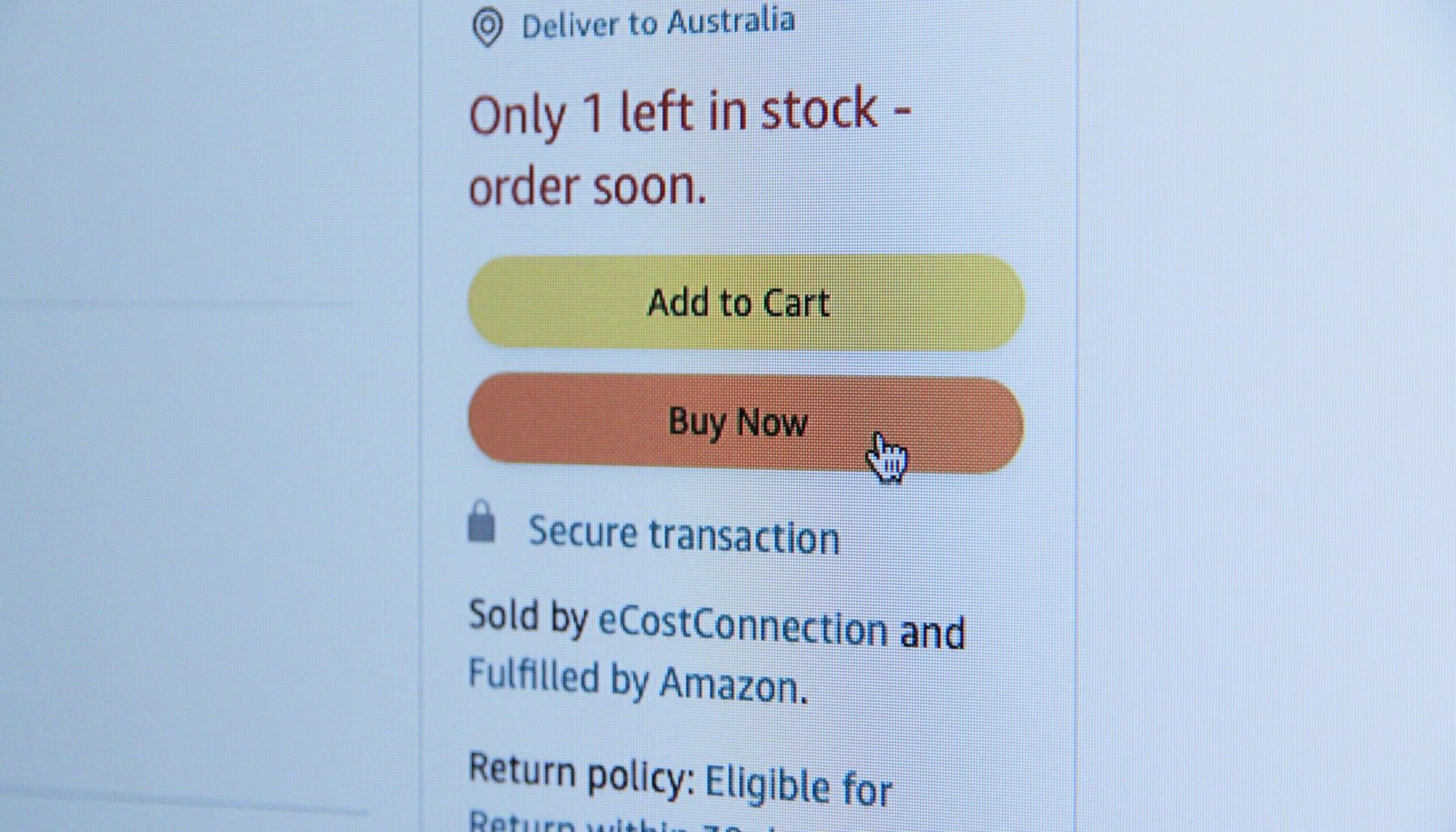
Understanding the Basics of Online Shopping
Online shopping, a subset of e-commerce, refers to the process where consumers purchase goods and services over the internet. It has gained significant momentum over the years due to its convenience and accessibility compared to traditional retail shopping. With just a few clicks, customers can explore a myriad of products from the comfort of their own homes.
One of the core advantages of online shopping is the variety it offers. Unlike physical stores, which may be limited by space, online platforms often have extensive inventories that include everything from clothing and electronics to groceries and furniture. This extraordinary range allows consumers to find specific items, compare prices, and read reviews all in one place, making informed purchasing decisions easier.
Additionally, online shopping platforms operate around the clock, granting consumers the flexibility to shop whenever they please, day or night. This is particularly advantageous for individuals with busy schedules, who may find it challenging to visit brick-and-mortar stores during regular hours. With just an internet connection, shoppers can access these platforms and take advantage of special deals, discounts, and promotions that may not be available in physical establishment.
Online shopping comes in various forms, including Business-to-Consumer (B2C) sites like Amazon and eBay, Consumer-to-Consumer (C2C) marketplaces such as Craigslist, and Business-to-Business (B2B) portals. Each type of platform offers unique user experiences, catering to different shopping needs and preferences, whether it’s buying from large retailers or purchasing second-hand items directly from other consumers.
Choosing the Right Online Store
In the age of digital commerce, selecting the right online store is crucial for a successful shopping experience. With numerous options available, determining the best platform for your needs involves evaluating several key factors. One of the first considerations should be the store’s reputation. Prioritize platforms known for their reliability and trustworthiness. Reputed stores usually have a long-established presence, positive customer reviews, and high ratings on third-party review sites.
Another critical aspect to consider is customer service. A responsive and helpful customer service team can significantly enhance your shopping experience, particularly when issues arise with products or orders. Look for stores that provide multiple channels for customer support, such as chat, email, and telephone support, to ensure assistance is readily available when needed.
Additionally, familiarize yourself with the store’s return and refund policies. Online shopping inherently carries some risk, and a clear, fair return policy can provide peace of mind. Should a product not meet your expectations, being aware of the procedures for returning items makes the process smoother.
Payment security is also paramount. Ensure the online store uses secure payment methods, such as encryption protocols (notably SSL), to protect your sensitive financial information. Legitimate retailers will also accept various payment options, including credit cards and well-known digital wallets, giving customers flexibility while shopping.
Furthermore, take time to read user reviews and feedback on products and services. Reviews can offer insight into the product quality, shipping speed, and overall satisfaction. When assessing legitimacy, research websites or platforms that compile online store ratings and consider those insights before making a purchase.
Among the popular online shopping platforms are Amazon, eBay, and Walmart, each offering a wide selection of products, competitive prices, and favorable policies. These are just a few options, and exploring multiple sites can help you find the best deals possible.
Navigating the Online Shopping Experience
Online shopping has become a prevalent mode of purchasing goods and services, offering convenience and accessibility. To ensure a smooth shopping experience, potential buyers should familiarize themselves with the step-by-step process that optimizes their journey from searching for products to finalizing their purchases.
The initial step in your online shopping journey is to identify the product you wish to explore. Utilize search engines or specific retail websites to enter relevant keywords related to the item. When results populate, refine these by using the filters and sorting tools available on the website. These features typically allow you to narrow your search based on various parameters such as price range, brand, size, and customer ratings.
Once you have narrowed down your options, it is crucial to examine the product descriptions and specifications meticulously. This information usually includes details about materials, dimensions, and any notable features that might influence your purchase. Pay attention to customer reviews as they provide valuable insights into the product’s performance and durability.
Furthermore, comparing prices and features among similar products can enhance decision-making. Many e-commerce platforms offer a comparison tool that enables buyers to view multiple products side by side, facilitating an informed choice. When comparing, consider not just the price but also aspects such as warranty, return policies, and shipping costs.
In summary, navigating the online shopping experience effectively requires a methodical approach involving thorough searches, the use of filtering tools, and diligent product analysis. Utilizing these strategies will help ensure that your online purchases meet your expectations while maximizing value for money.
Ensuring a Safe and Secure Online Shopping Experience
In today’s digital world, ensuring a safe and secure online shopping experience is paramount for every consumer. As shopping has increasingly transitioned to online platforms, threats to personal and financial information have correspondingly risen. It is vital to adopt various best practices to safeguard sensitive information during online transactions.
The first step towards safe online shopping is recognizing and utilizing secure websites. Consumers should always ensure that the website’s URL begins with “https://” rather than “http://”. The additional “s” signifies a secure connection, protecting any data exchanged between the user’s browser and the website from interception by malicious actors. Moreover, look for security seals and certificates, which indicate that the site has passed checks for secure transactions.
Another fundamental practice is the use of secure payment methods. Credit cards and reputable online payment services offer added layers of protection against fraud. These options frequently provide buyer protections that can help recover funds in instances of fraud or unauthorized transactions. Additionally, avoid entering payment information on unknown or untrusted sites, as they may compromise your financial security.
Phishing scams are another significant risk in the realm of online shopping. Users should be cautious of unsolicited emails or messages that request personal information or prompt them to click on unfamiliar links. These may genuinely seem legitimate; however, verifying the sender before responding can greatly reduce the likelihood of falling victim to such scams. Furthermore, regularly monitoring bank statements and account activity for any suspicious transactions can help quickly identify unauthorized activity.
In conclusion, while the convenience of online shopping is undeniable, ensuring a safe and secure experience requires users to remain vigilant. By adopting secure practices such as checking for secure connections, using reliable payment methods, being cautious of phishing attempts, and actively monitoring financial activities, consumers can significantly enhance their online security during shopping experiences.





Leave a Reply